
- 1. Check Apartment Policies
- 2. Evaluate Your Patio’s Sunlight and Wind Exposure
- 3. Choose the Right Containers
- 4. Select the Best Plants for Your Space
- 5. Use High-Quality Soil and Fertilizer
- 6. Install a Smart Watering System
- 7. Arrange Plants for Maximum Efficiency
- 8. Keep Pests and Diseases in Check
- 9. Maintain and Adapt Your Garden
- Final Thoughts
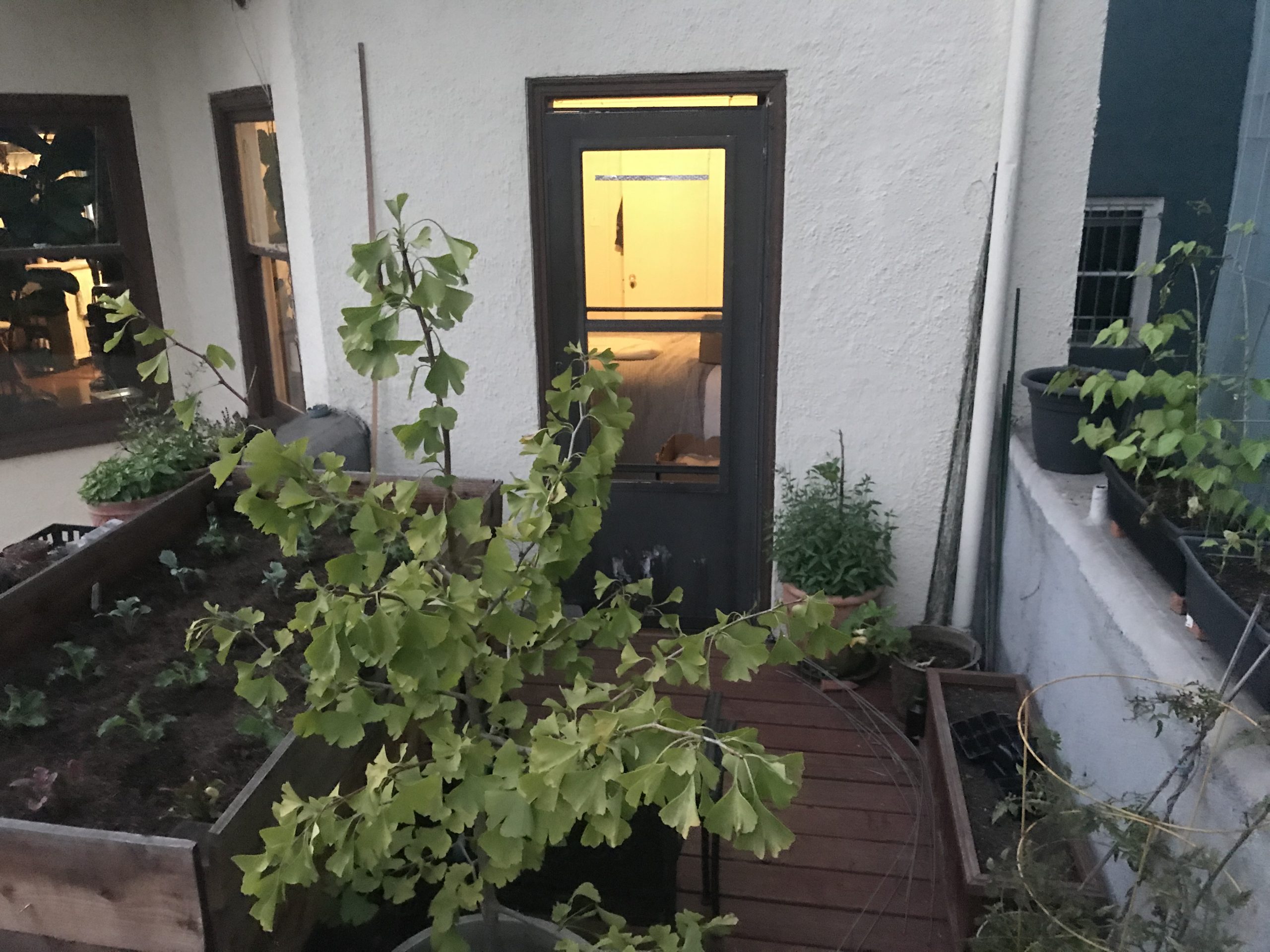
Living in an apartment doesn’t mean you have to give up on gardening. With the right setup, you can grow fresh vegetables, herbs, and flowers—even in a small space! Here’s how to plan, set up, and maintain a thriving apartment patio garden.
1. Check Apartment Policies
Before you start, confirm that your building allows balcony gardens. Some complexes have restrictions on weight limits, water drainage, or hanging planters. Knowing the rules early saves time and effort.
2. Evaluate Your Patio’s Sunlight and Wind Exposure
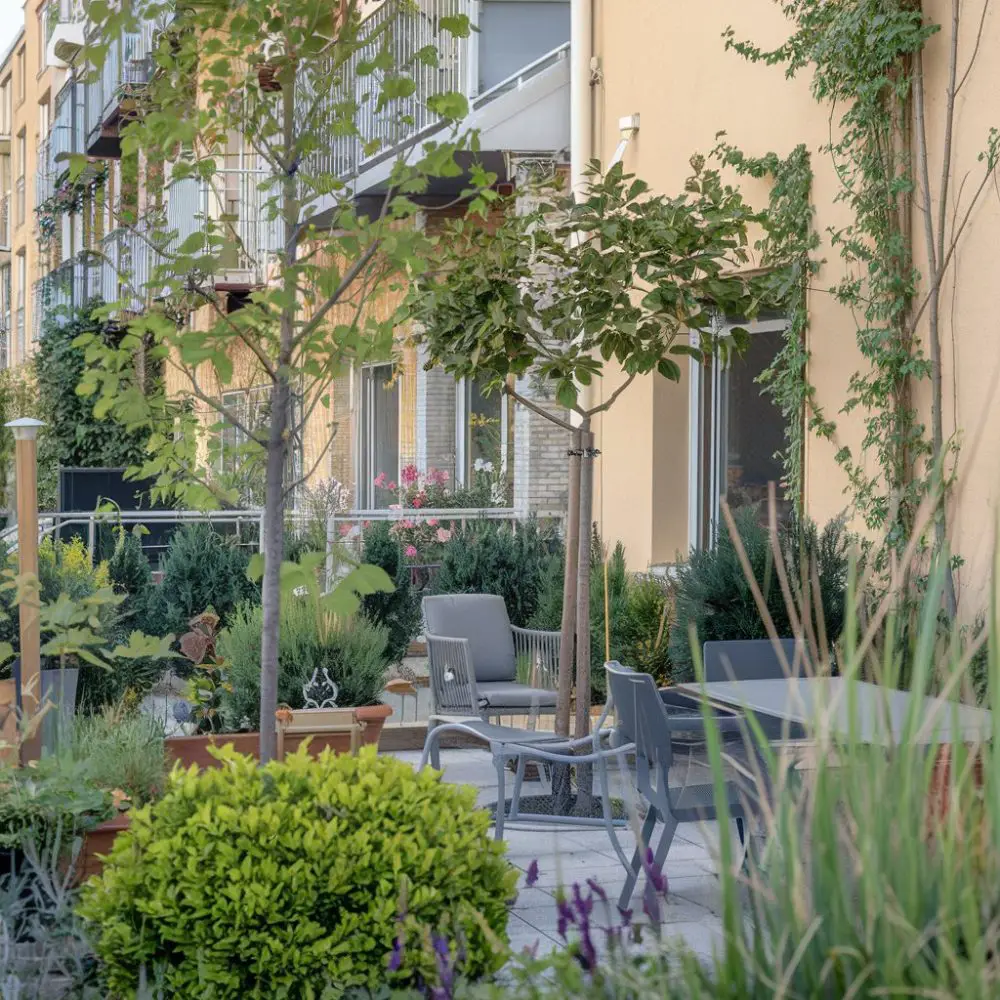
Determine how much direct sunlight your patio gets:
- Full Sun (6+ hours/day): Best for tomatoes, peppers, and strawberries.
- Partial Shade (3-6 hours/day): Good for lettuce, herbs, and root vegetables.
- Full Shade (<3 hours/day): Ideal for ferns, pothos, and shade-tolerant flowers.
To track sunlight, observe your patio throughout the day and mark areas of full sun, partial shade, and deep shade using chalk or tape.
Wind can also affect plant growth. If your patio is exposed to strong gusts, consider using a trellis, privacy screen, or vertical plant wall to act as a wind buffer.
3. Choose the Right Containers
Container gardening is the best way to grow plants in small spaces. Consider:
- Plastic or Fabric Pots: Retain moisture better than clay pots.
- Self-Watering Planters: Reduce watering frequency.
- Vertical Gardens: Use hanging baskets, wall planters, or repurposed pallets.
- Large Containers (3-5 gallons): Essential for deep-rooted plants like tomatoes and peppers.
Make sure your pots have drainage holes and use trays underneath to prevent water runoff from dripping onto neighbors’ balconies. You don’t have to break the bank on pots. You could even upcycle some sour cream or yogurt containers. Just poke some holes in the bottom and use the lids for trays. Decorate them as you see fit!

4. Select the Best Plants for Your Space
Pick plants based on sunlight availability and space efficiency:
- Herbs: Basil, rosemary, mint, parsley, and chives.
- Leafy Greens: Lettuce, spinach, kale.
- Vegetables: Cherry tomatoes, dwarf peppers, radishes, and carrots.
- Climbing Plants: Beans, cucumbers, and peas—perfect for trellises.
If space is tight, interplant compatible species. For example, grow basil alongside tomatoes or lettuce under taller plants for shade.
5. Use High-Quality Soil and Fertilizer
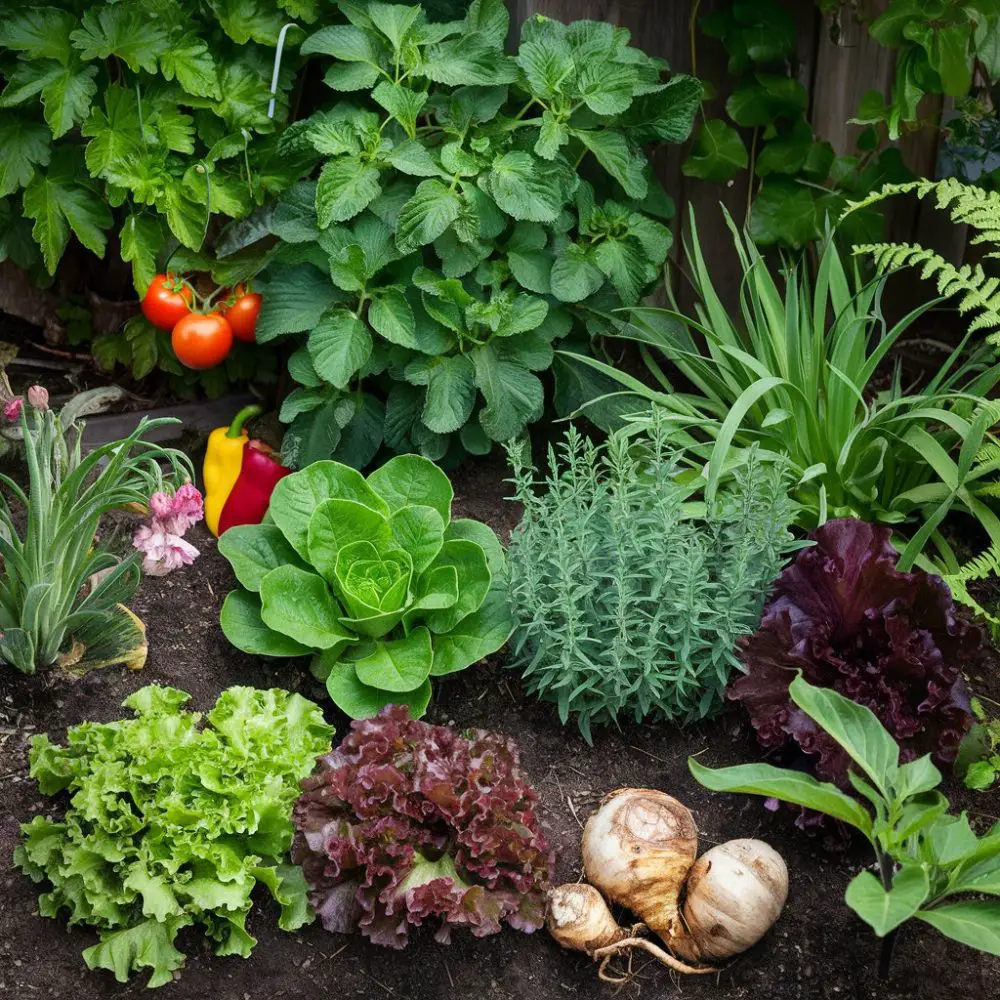
Since balcony gardens lack natural soil ecosystems, invest in organic potting mix designed for container gardening. Avoid using regular garden soil—it compacts too easily in pots.
Fertilize every 2-4 weeks with organic compost, worm castings, or liquid fertilizer to replenish nutrients. Different plants require different nutrients, so research what each plant needs.
6. Install a Smart Watering System
Balcony plants dry out quickly due to limited soil and exposure to wind. Water early in the morning to reduce evaporation. Consider:
- Drip irrigation or self-watering pots for consistent moisture.
- Ollas (buried clay pots) to slowly release water.
- Grouping plants together to create a microclimate that retains humidity.
If you travel often, ask a neighbor to water your plants or set up a simple irrigation system using a hose timer.
7. Arrange Plants for Maximum Efficiency
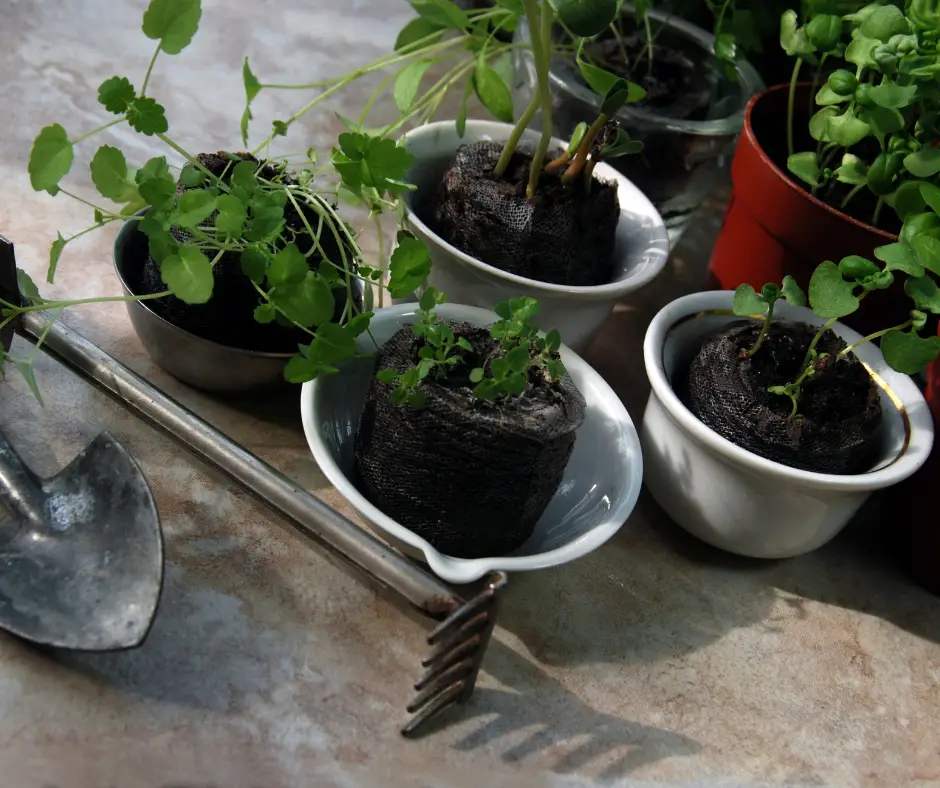
Make the most of your space by stacking and layering plants:
- Tall plants in the back (tomatoes, beans on trellises).
- Medium plants in the middle (basil, peppers, strawberries).
- Low-growing plants in the front (lettuce, herbs).
For aesthetic appeal, add string lights, small seating, and decorative plant stands to make your patio a relaxing retreat.

8. Keep Pests and Diseases in Check
Container gardens are less prone to pests, but they’re not immune. Keep your plants healthy with:
- Companion planting (e.g., marigolds to repel insects).
- Neem oil or insecticidal soap for natural pest control.
- Good air circulation to prevent fungal diseases.
9. Maintain and Adapt Your Garden
Gardening is a learning process! Observe how your plants respond to their environment and adjust accordingly. Trim plants regularly, refresh soil as needed, and experiment with new plant combinations each season.
Final Thoughts
Your apartment patio garden can be a functional, beautiful, and productive space—even in the smallest area. With careful planning and a bit of creativity, you can grow fresh produce, herbs, and flowers right outside your door.
Comments are closed.